
What to Expect From a Modern Physical Security System in the UAE.
If you are responsible for the security of a building, a campus, or a multi-site operation in the UAE, you are probably aware that security technology has changed significantly in the past five years. What you may be less clear on is what a modern physical security system in the UAE should actually include, what it should do, and what questions to ask when someone puts a proposal in front of you.
This guide is written for end users: the facilities managers, operations directors, security managers, and business owners who need to make informed decisions about physical security without necessarily having a deep technical background. It covers the core components of a modern system, what each one does, and the practical considerations that matter most when selecting and deploying technology in the UAE market.
The Core Components of a Modern Physical Security System UAE
Video Surveillance
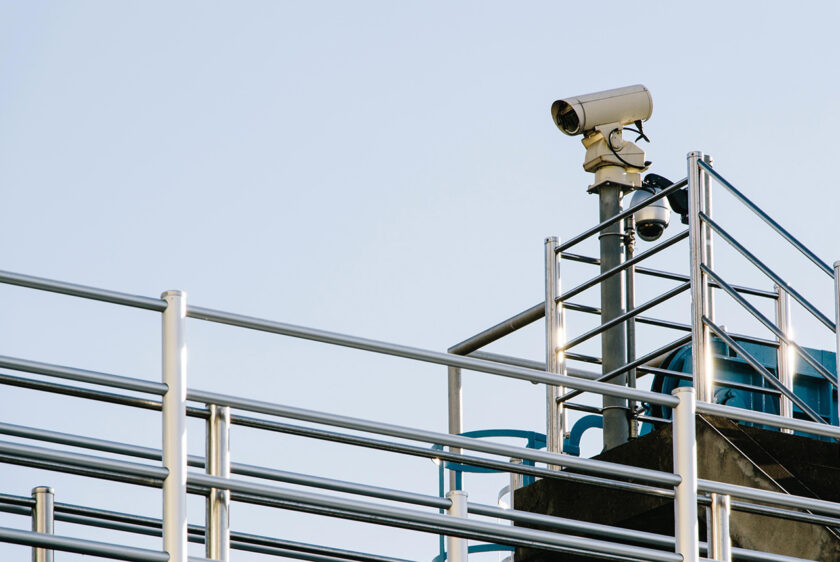
Surveillance cameras are the most visible part of any physical security system. In a modern deployment, they do considerably more than record footage. AI-capable cameras analyse what they see in real time, detecting crowd density, identifying unusual behaviour, flagging perimeter crossings, and generating alerts without requiring a human to watch every feed.
For UAE end users, a few practical points matter when evaluating cameras. Resolution is important, but it is not the only factor. Outdoor cameras need to handle the UAE’s lighting conditions, which include intense direct sunlight and significant contrast between lit and shaded areas. Wide Dynamic Range processing is a standard requirement, not an optional extra. Cameras installed in accessible locations also need vandal-resistant housings with appropriate impact ratings.
Our article on what makes a surveillance camera truly smart covers the technical specifications in more detail.
Access Control
Access control manages who can enter which areas of your facility, and when. A modern access control system uses electronic credentials, either cards, mobile devices, or biometric identifiers, rather than physical keys. Every access event is logged, creating an audit trail that is valuable both for security investigation and for compliance purposes.
In a UAE context, access control is relevant for a wide range of facilities. A commercial office building might use card access for staff entry and visitor management for guests. A large entertainment venue will use layered credentialing for different zones, from public access through to restricted operational areas. A healthcare facility might use biometric access for medication storage and high-security areas.
Video Management System
The Video Management System, or VMS, is the software platform that brings surveillance cameras together into a single operational interface. Without a VMS, a large camera network is just a collection of individual feeds. With a well-configured VMS, it becomes an integrated security operation.
A good VMS allows operators to navigate between camera feeds using a map interface, retrieve footage quickly by zone or time, receive and respond to AI-generated alerts, and integrate camera data with access control events. For end users managing a site with more than a handful of cameras, the VMS is where the day-to-day security operation actually happens.
For a more detailed overview of VMS capabilities, see our article on why a VMS is the backbone of modern security.
What Modern Systems Do That Legacy Systems Do Not
Many organisations in the UAE are operating security systems installed five to ten years ago. These systems may function reliably, but they are likely missing capabilities that have become standard in the past few years. Understanding the gap is useful when planning an upgrade.
The most significant differences between legacy and modern physical security systems in the UAE:
- AI analytics. Legacy cameras record footage. Modern cameras analyse it in real time. The operational difference is the shift from reactive review to proactive alerting
- Legacy systems are typically siloed. Modern systems are designed for integration, so cameras, access control, alarms, and building management systems share data and work from a common operational picture
- Cybersecurity design. Legacy IP cameras were often installed without the security standards now considered baseline. Modern professional cameras include encrypted communications, secure boot, and regular firmware security updates as standard
- Remote management. Modern systems are designed to be managed and monitored remotely. Firmware updates, configuration changes, and health monitoring can all be handled without a site visit in most cases
Choosing a Physical Security Partner in the UAE
The technology specification matters, but the supplier relationship matters too. A physical security system is not a one-time purchase. It is infrastructure that needs to be maintained, updated, and supported over a number of years.
When evaluating a physical security supplier in the UAE, consider:
- Track record in comparable projects. A supplier who has delivered security systems for organisations at a similar scale and complexity to yours is more likely to understand your requirements
- Manufacturer relationships. The quality of a supplier’s relationship with their technology manufacturer affects how quickly they can resolve technical issues and how current their product knowledge is
- Local support capability. UAE-based technical support, with engineers who can be on site when needed, is a practical requirement for any serious security deployment
- Post-installation support terms. What does ongoing maintenance look like? What are the response time commitments for faults? Is remote monitoring and firmware management included?
Samcom Electronics LLC has operated in the UAE for over 25 years, completing security projects for more than 1,000 clients across commercial, government, entertainment, and infrastructure sectors. Learn more on the about us page.
Common Questions End Users Have About Modern Physical Security Systems UAE
After 25 years of working with end users across the UAE, certain questions come up consistently. Here are the most common, with honest answers.
How long does a security system installation take?
It depends on the scale and complexity of the project. A single-building commercial system can typically be installed and commissioned in one to two weeks. A large multi-zone venue or multi-site deployment will take longer, and the planning and site survey phase should begin well before the installation date.
How often does the system need maintenance?
A properly installed system from a professional manufacturer requires relatively little reactive maintenance. Planned preventive maintenance visits, typically quarterly or biannually, cover camera health checks, software updates, and system testing. Firmware security updates should be applied on a defined schedule, treated with the same urgency as software patching for IT systems.
Can a new system integrate with existing infrastructure?
In most cases, yes. Modern VMS platforms and access control systems support integration with a wide range of existing hardware through standard protocols. A site survey will identify the integration options available.
Frequently Asked Questions
What does a modern physical security system UAE include?
At minimum: AI-capable surveillance cameras, a centralised Video Management System, and electronic access control. More complete deployments add perimeter intrusion detection, integration with building management systems, and remote monitoring capability.
How much should a physical security system cost in the UAE?
Cost varies significantly depending on site size, number of cameras, access control complexity, and integration requirements. Samcom provides detailed proposals following a site survey, which is the only reliable way to produce an accurate cost estimate.
What is the difference between a physical security system and an AI-driven security solution?
A physical security system is the broader category, covering cameras, access control, and related hardware. AI-driven security solutions refers specifically to systems where artificial intelligence analyses data in real time to detect events and generate alerts, as distinct from conventional systems that record passively.
How long does a physical security system last?
Well-specified systems from professional manufacturers typically have an operational life of seven to ten years for hardware, with software and firmware updates extending useful capability throughout that period.
How do I start the process of upgrading my security system?
Contact Samcom through the project enquiry page to arrange a site survey and initial consultation.